testing play in Printed circuit board assembly services
Testing plays a crucial role in printed circuit board (PCB) assembly services, serving as a critical step in ensuring the quality, reliability, and functionality of electronic devices. PCB assembly involves the integration of various electronic components onto a PCB, and thorough testing is essential to identify and address any defects or issues that may arise during the assembly process. Testing helps manufacturers verify that PCB assemblies meet the required specifications, performance standards, and regulatory requirements, ultimately ensuring customer satisfaction and product success.
One of the primary functions of testing in printed circuit board assembly services is to detect and identify defects or faults in the assembled PCBs. Common defects include soldering defects, such as solder bridges, cold solder joints, and insufficient solder, as well as component placement errors, missing components, and electrical shorts. By subjecting PCB assemblies to comprehensive testing, manufacturers can identify and rectify these defects before they affect the functionality or reliability of the electronic device.
Testing also plays a crucial role in ensuring the functionality and performance of PCB assemblies. Functional testing involves applying power to the PCB and verifying that it operates correctly according to the specified design and performance requirements. Functional tests may include checking voltage levels, signal integrity, communication protocols, and other functional aspects of the PCB to ensure that it meets the intended performance criteria. By conducting thorough functional testing, manufacturers can identify any issues or discrepancies and take corrective action to ensure that the PCB assembly functions as intended.
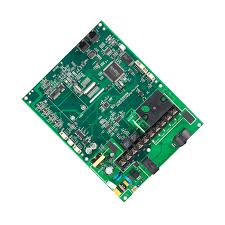
What role does testing play in Printed circuit board assembly services?
In addition to functional testing, environmental testing is another important aspect of PCB assembly services. Environmental testing involves subjecting PCB assemblies to various environmental conditions, such as temperature extremes, humidity, vibration, and shock, to assess their reliability and durability in real-world operating conditions. Environmental testing helps manufacturers identify potential weaknesses or vulnerabilities in PCB assemblies and design robust solutions to withstand harsh environmental conditions.
Reliability testing is also a critical component of PCB assembly services, especially for applications where reliability is paramount, such as aerospace, automotive, medical, and industrial electronics. Reliability testing involves subjecting PCB assemblies to accelerated aging and stress conditions to evaluate their long-term performance and reliability. Reliability tests help manufacturers assess the lifespan, durability, and reliability of PCB assemblies under normal and extreme operating conditions, allowing them to identify and address any potential reliability issues before they occur in the field.
Testing in PCB assembly services also serves as a means of quality control and process validation. By implementing rigorous testing procedures at various stages of the assembly process, manufacturers can verify the quality and consistency of their manufacturing processes and ensure that PCB assemblies meet the required quality standards and specifications. Testing helps manufacturers identify and address any deviations from quality standards, optimize production processes, and continuously improve the quality and reliability of PCB assemblies.
Furthermore, testing in PCB assembly services provides valuable feedback for process optimization and continuous improvement initiatives. By analyzing test data and identifying trends or patterns, manufacturers can identify opportunities for process optimization, cost reduction, and quality improvement. Testing helps manufacturers identify root causes of defects or issues, implement corrective and preventive actions, and optimize their manufacturing processes to achieve higher efficiency, lower costs, and better quality.
In conclusion, testing plays a critical role in printed circuit board assembly services, serving as a key component of quality control, reliability assurance, and process optimization. Testing helps manufacturers detect and rectify defects, ensure the functionality and performance of PCB assemblies, assess their reliability and durability, and validate their manufacturing processes. By implementing comprehensive testing procedures and leveraging advanced testing technologies, manufacturers can produce high-quality, reliable PCB assemblies that meet the highest standards of quality, performance, and reliability.