barriers to addressing disability discrimination
Disability discrimination is a problem that affects people with disabilities across all aspects of their lives. They struggle to access facilities, find employment, and feel supported by their community. These obstacles lead to high rates of poverty, social isolation and mental health problems. Negative stereotypes about disabled people contribute to these issues, but can be overcome with education and advocacy efforts.
The barriers to addressing disability discrimination are many and varied, but the most common are physical, policy and communication. Physical barriers include steps, curbs and other physical barriers that prevent access to buildings, sidewalks and other public spaces. Policy barriers are related to the lack of awareness or enforcement of laws and regulations that require public spaces be accessible to people with disabilities. Communication barriers include the use of technical language and long sentences or words with multiple syllables, which are difficult for some individuals with disabilities to understand.
In addition to addressing physical, policy and communication barriers, the disability rights movement needs to focus on racial justice. It is essential to acknowledge the connection between racial justice and disability rights, as both are struggles for equality, freedom and justice. This connection must be centered in efforts to push for equitable access to all spaces, from healthcare to housing.
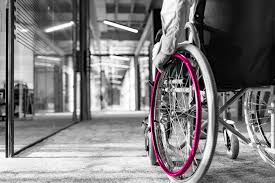
What are the barriers to addressing disability discrimination?
People with disabilities often face challenges when trying to access health services, such as being unable to afford transportation and the cost of care. In addition, the accessibility of health services can be an issue, as hospitals may not have the appropriate equipment to allow people with disabilities to get through doors and into examination rooms. Some patients may also be subject to discrimination when attempting to seek treatment, such as from health insurance companies that deny claims for procedures deemed unnecessary.
Those with disabilities who are able to work need to have adequate support and protections from sanctions, including the ability to request accommodations that will enable them to perform their job duties. In order to ensure that this happens, new employment programs should be co-produced by disabled people’s organisations and employers, and provide the necessary support to help disabled people succeed in their roles. In addition, people with disabilities who live in private rented accommodation need to have safe homes. This can be challenging, as some landlords do not treat their tenants well, and some properties are in disrepair or dangerously unsafe.
If you have a disability, or know someone who does, be sure to speak up when there is discrimination occurring. Educate yourself about your rights, and work with an employment and disability lawyer to help you combat discrimination in the workplace. Make sure your employer has a clear and concise policy in place that outlines their stance on disability lawyer toronto, and makes sure that they are training their employees regularly on the topic of disability discrimination. A strong workplace culture will help to create an inclusive environment for all employees, regardless of their individual limitations.