Affect Pricing at PCB Manufacturers
The intricacy of your PCB’s design plays a significant role in its manufacturing price. Complex layouts with multiple layers and densely packed components demand more advanced fabrication techniques, resulting in higher production prices. On the other hand, simpler designs with fewer layers and basic routing configurations tend to be more cost-effective.
The physical dimensions of your board also impact pricing. Larger boards require more raw materials, take longer to manufacture, and may need more extensive quality control testing, which all add up to higher costs per unit. In addition, if your design utilizes oversized holes or exotic materials, these can also increase your manufacturing costs.
pcb manufactures can offer different pricing options depending on their location, labor rates, and shipping expenses. Choosing a manufacturer with lower labor costs can help you save on upfront costs, but it’s important to consider additional expenses like import taxes and shipping fees when making your decision.
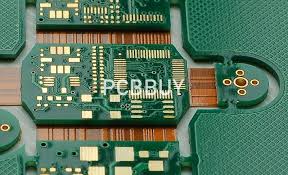
Factors That Affect Pricing at PCB Manufacturers
Manufacturing costs also depend on the type of PCB you order. Standard PCBs are usually made with FR4, an affordable and reliable material, while more advanced projects might need specialty materials such as Rogers for high-frequency or temperature-sensitive applications. The type of material you choose will affect your final PCB’s cost, so it’s important to research and compare prices before committing to a supplier.
Rush orders can also cause your PCB to be more expensive than expected. Manufacturers must reshuffle their production schedules and reallocate resources to accommodate urgent orders, which can lead to higher prices. In addition, the extra work often requires workers to work overtime, which can further increase your overall costs. By planning ahead and allowing for adequate lead time, you can minimize these added costs.
Another factor that impacts PCB prices is the type of finishing you require. Surface treatments like gold plating and solder masking can increase your production cost, but they’re essential for ensuring your circuit board has the best possible finish and durability. Likewise, if your project is especially sensitive to environmental conditions, you may need to opt for more advanced assembly services that will add to your overall expense.
Manufacturers often adopt priority scheduling for urgent orders. This means rearranging the production schedule to accommodate the time-sensitive project. Dedicated production lines or specialized teams are allocated for such tasks, ensuring that other orders are not unduly delayed.
Priority scheduling may also involve utilizing real-time production management systems to monitor progress and prevent bottlenecks. These systems allow manufacturers to track every stage of production, ensuring that timelines are met without errors.
Some PCB manufacturers offer value-added services that can help you improve your design and streamline the production process, which can also reduce your manufacturing cost. These services might include DFM (design for manufacturability) reviews and engineering support, which can prevent costly rework down the road. In addition, working with a reputable supplier that offers these services can help you get the best possible pricing and quality for your circuit boards.