importance of component orientation in Rigid flex pcb
Rigid flex is a type of printed circuit board that can bend and fold without losing rigidity in certain areas. This flexibility makes it possible for designers to incorporate more creativity in the design process, and it can also reduce assembly time by reducing the need for connectors and cables. However, there are a few things that need to be taken into consideration when designing for a rigid flex PCB.
One of the most important aspects of the rigid flex is the orientation of the components. The position of the components determines how the flex will respond to stress. This can affect the reliability of the PCB and lead to failures. In order to avoid this, the component orientation should be determined at the early stages of the PCB design phase. Depending on the orientation of the components, different techniques can be used to minimize stress. These include using hole plating, adding additional padding to the traces, and using curve traces.
Another aspect that needs to be considered is the physical size of the flex. The flex must be large enough to accommodate the components, but it should not be too big so that the copper can become damaged due to mechanical strain. In addition, the flex should be flexible enough to withstand repeated bending and flexing. This is particularly important for foldable devices that need to be compact and portable.
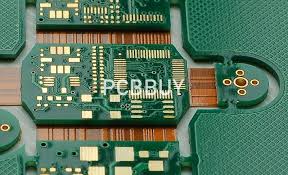
Can you explain the importance of component orientation in Rigid flex pcb?
A third important factor to consider is the thickness of the flex. A thin flex can break easily, so it is necessary to use thicker copper to ensure its durability. The best flex is between 0.12mm and 0.2mm thick, but the final choice will depend on the specific application.
Rigid flex is more expensive than other types of PCBs, and the cost can vary greatly from manufacturer to manufacturer. This is because there are many variables involved, including the number of layers that the flex will contain and the materials used to create it. However, the price difference can be mitigated by choosing a manufacturer with extensive experience and knowledge of rigid flex technology.
While it is true that rigid flex PCBs require more time to manufacture than other types of PCBs, there are several benefits that make them worth the investment. Rigid flex PCBs are perfect for high-density applications where space is limited, and they can be manufactured in smaller sizes than traditional rigid boards. In addition, they can be made to withstand high-temperature environments and shock applications.
There are a few disadvantages to using rigid flex, including the fact that it can be more difficult to test and inspect. This can lead to mistakes that can delay the production cycle and increase overall costs. In addition, it is important to choose a rigid flex manufacturer that can understand and apply Design for Manufacture principles when creating these complex products. This will help to avoid problems and reduce the time to market. In the end, a well-designed rigid flex circuit can be as functional as a traditional PCB.