pcb flex rigid be used in aerospace applications
The integration of printed circuit boards (PCBs) in aerospace applications has been a revolutionary advancement, enhancing the functionality and efficiency of aerospace systems. While traditional rigid PCBs have long been utilized in aerospace electronics, the emergence of flex-rigid PCBs has opened up new possibilities for innovation and design optimization in this demanding industry.
Flex-rigid PCBs offer a unique combination of flexibility and rigidity, making them well-suited for aerospace applications where space constraints and performance requirements are stringent. Their ability to bend and conform to complex shapes allows for more compact and lightweight designs, essential considerations in aerospace where every gram matters.
One key advantage of using pcb flex rigid in aerospace applications is their reliability and durability in harsh operating environments. Aerospace systems are subjected to extreme temperatures, vibrations, and mechanical stresses during flight, requiring electronic components to withstand rigorous conditions. Flex-rigid PCBs, with their robust construction and flexible substrates, can better withstand these challenges compared to traditional rigid PCBs.
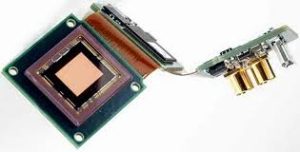
Can pcb flex rigid be used in aerospace applications?
Moreover, the compact and lightweight nature of flex-rigid PCBs contributes to overall weight savings in aerospace systems, which is critical for improving fuel efficiency and payload capacity. By reducing the weight of electronic components, flex-rigid PCBs help aerospace manufacturers meet stringent performance requirements and regulatory standards while optimizing operational costs.
Another significant advantage of using flex-rigid PCBs in aerospace applications is their enhanced signal integrity and reliability. The integrated design of flex-rigid PCBs minimizes signal loss and electromagnetic interference (EMI), ensuring stable communication and data transmission in aerospace systems. This is particularly important for avionics, communication systems, and navigation equipment where reliable connectivity is essential for safe and efficient operation.
Furthermore, the streamlined assembly process of flex-rigid PCBs can contribute to cost savings and faster time-to-market for aerospace manufacturers. The integration of multiple rigid and flexible layers into a single PCB eliminates the need for complex interconnects and reduces assembly time and labor costs. This efficiency is especially beneficial in the highly competitive aerospace industry, where innovation and time-to-market are critical for success.
Despite these advantages, the use of flex-rigid PCBs in aerospace applications also presents challenges and considerations. One such consideration is the stringent safety and reliability standards that govern aerospace electronics. Flex-rigid PCBs must undergo rigorous testing and qualification to ensure compliance with industry standards and regulatory requirements, adding complexity and cost to the development process.
Additionally, the long-term reliability of flex-rigid PCBs in aerospace applications must be carefully evaluated, especially concerning factors such as thermal cycling, mechanical fatigue, and moisture resistance. Extensive testing and analysis are necessary to validate the performance and durability of flex-rigid PCBs under real-world operating conditions, ensuring the safety and reliability of aerospace systems.
In conclusion, flex-rigid PCBs offer significant advantages for aerospace applications, including compactness, lightweight, reliability, and signal integrity. Their unique design enables innovative solutions to meet the demanding requirements of aerospace electronics while optimizing performance and efficiency. However, careful consideration must be given to safety, reliability, and compliance with industry standards to ensure the successful integration of flex-rigid PCBs in aerospace systems.